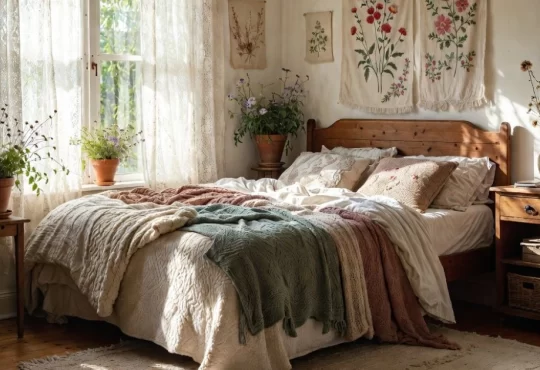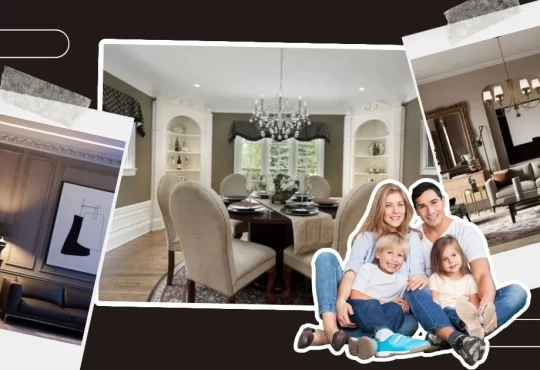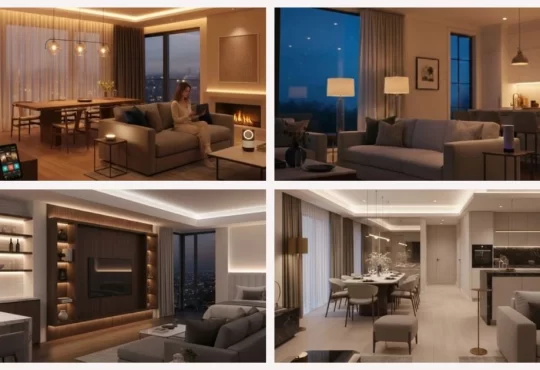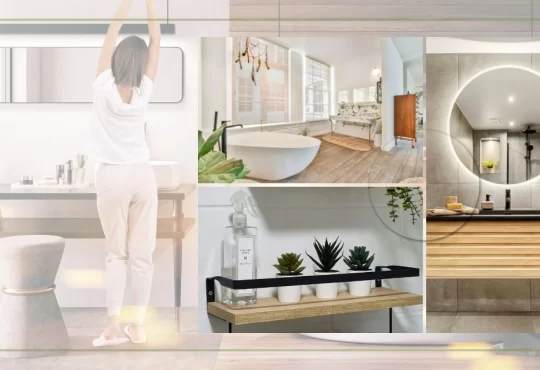


Interior design is constantly evolving, shaped by changing lifestyles, technology, and a growing desire for comfort and personality at home. In recent months, designers and homeowners have shifted away from sterile, all-white spaces toward warmer, layered interiors filled with texture, color, and character. Natural materials, sculptural furniture, and wellness-focused environments are becoming central themes in modern homes. Another clear shift is the desire for spaces that feel personal rather than perfectly curated. Instead of matching furniture sets and uniform finishes, many homes now mix materials, colors, and eras to create interiors that feel lived in and meaningful.
From minimalist Scandinavian rooms to vibrant maximalist spaces, today’s most popular interior design styles reflect a balance between aesthetics and everyday living. The following guide explores 21 interior design styles shaping modern homes right now, along with practical ideas, materials, and brand inspiration for bringing each look to life.
21 Modern Interior Design Styles You Need To Know
1. Scandinavian Minimalism
Scandinavian design remains one of the most influential styles in modern interiors. Originating from Nordic countries, this design philosophy focuses on simplicity, functionality, and comfort. The goal is to create calm spaces that feel bright, practical, and welcoming. White walls, pale wood furniture, and soft neutral palettes dominate the look. Large windows are often left uncovered to maximize natural light, while cozy textures like wool throws and linen curtains add warmth. Furniture is typically clean-lined and practical. Chairs, tables, and storage pieces are designed to serve a purpose without visual clutter. Even decorative items are minimal and intentional.
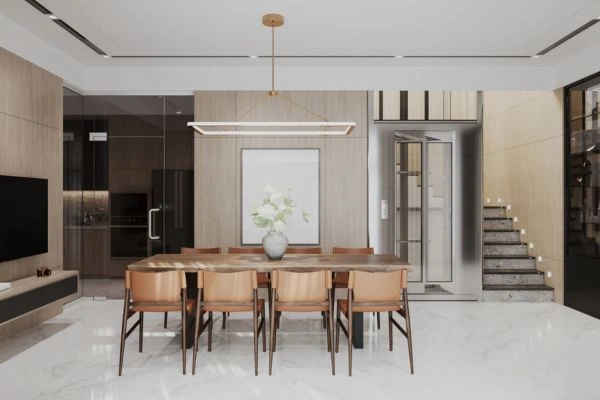
Popular brands associated with this aesthetic include:
- IKEA
- Muuto
- HAY
- Ferm Living
Signature Elements Of Scandinavian Interiors:
- Furniture in light woods, such as oak and birch
- Neutral color palettes with white, beige, and soft gray
- Cozy textiles like wool and knit blankets
- Minimal décor with functional design
Scandinavian minimalism works especially well in small apartments or urban homes because it emphasizes light and openness.
2. Japandi Style
Japandi combines Japanese and Scandinavian design philosophies into a harmonious interior style that focuses on calm, balance, and craftsmanship. This style blends the simplicity of Nordic interiors with the elegance of Japanese design. Furniture often features low profiles, natural wood, and subtle curves. Muted colors such as warm beige, charcoal, and earthy browns dominate the palette. Decorative pieces are minimal but meaningful, often inspired by nature or traditional craft. The appeal of Japandi lies in its ability to create peaceful environments where every item serves a purpose.
Recommended brands for Japandi interiors include:
- MENU
- Audo Copenhagen
- Norm Architects
- Fritz Hansen
Key Design Features:
-
- Neutral earth tones
- Handmade ceramics and pottery
- Simple and thoughtfully placed décor
Japandi interiors are often used in bedrooms and living rooms to create relaxing, clutter-free environments.
3. Organic Modern
Organic modern design blends contemporary architecture with natural materials. The style prioritizes comfort, warmth, and connection to nature. Curved furniture, natural stone, and wood textures play major roles in this look. Designers are moving away from rigid shapes and embracing softer silhouettes that mimic forms found in nature. Rooms often feature large windows, indoor plants, and earthy color palettes. Furniture pieces tend to feel sculptural and artistic, acting as both functional items and statement décor.
Popular brands known for organic modern furniture include:
- RH (Restoration Hardware)
- West Elm
- Article
- Ethnicraft
Commonly Used Materials:
- Solid wood
- Stone and marble
- Fabrics in linen and cotton
- Rattan and jute woven textures
Organic modern homes feel calm and grounded while still maintaining a contemporary look.
4. Warm Minimalism
Warm minimalism is emerging as a softer version of traditional minimalism. Instead of stark white interiors, this style uses earthy neutrals and layered textures to create a more inviting atmosphere. Homes designed in this style still emphasize simplicity, but they include cozy elements such as plush seating, natural textiles, and warm lighting. Colors like clay, sand, mushroom, and taupe are commonly used to replace cooler gray palettes.
Popular furniture and décor brands for warm minimalist interiors include:
- CB2
- Design Within Reach
- Blu Dot
- Castlery
Key Features:
- Earth-toned neutrals
- Soft textures with clean lines
- Minimal décor with subtle warmth
- Natural materials like wood and stone
Warm minimalism appeals to homeowners who want the simplicity of minimalist design without sacrificing comfort.
5. Industrial Loft
Converted warehouses and urban loft apartments originally inspired industrial design. The style celebrates raw materials such as exposed brick, metal pipes, concrete floors, and steel fixtures. Furniture tends to be rugged and utilitarian. Dark colors like charcoal, black, and deep brown dominate the palette, often balanced with wood elements to soften the space.
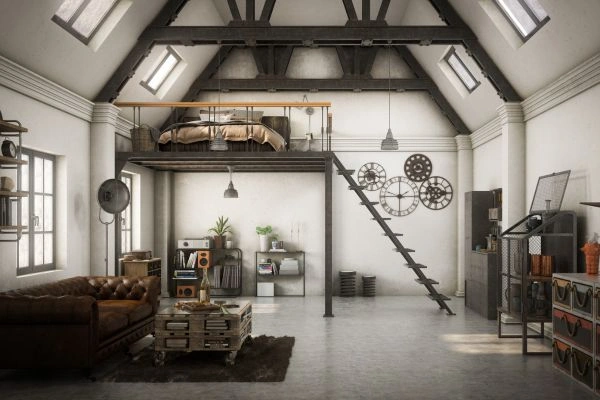
Popular brands associated with industrial interiors include:
- Restoration Hardware
- Rejuvenation
- Schoolhouse
Typical Design Features:
-
Brick walls left exposed
-
Metal lighting fixtures
- Vintage leather furniture
- Concrete or reclaimed wood surfaces
Industrial interiors work particularly well in open-concept spaces with high ceilings.
6. Mid-Century Modern
Mid-century modern design remains one of the most recognizable interior styles. Inspired by designs from the mid-20th century, this style features simple lines, organic shapes, and functional furniture. Iconic furniture pieces such as the Eames Lounge Chair and Tulip tables continue to influence modern interiors. The color palette typically includes warm woods paired with accent colors like mustard yellow, teal, or burnt orange.
Brands known for mid-century modern furniture include:
- Herman Miller
- Knoll
- Article
- Joybird
Key Design Elements:
- Tapered wooden legs
- Organic shapes
- Minimal ornamentation
- Striking accent colors
This style works well in both modern apartments and suburban homes.
7. Contemporary Luxury
Contemporary luxury interiors emphasize elegant design, premium materials, and exceptional craftsmanship. Unlike traditional luxury interiors that rely on ornate decoration, this style emphasizes subtle sophistication. Natural stone, velvet upholstery, and polished metals are common materials used in these spaces. Designers are also embracing sculptural furniture and statement lighting pieces that double as artwork.
- Roche Bobois
- Minotti
- B&B Italia
- Poliform
Main Features:
- Sculptural furniture
- High-end materials like marble and velvet
- Neutral palettes with metallic accents
- Statement lighting
8. Eclectic Maximalism
Maximalism highlights bold hues, layered textures, and personal style. Instead of following strict rules, this style encourages mixing patterns, eras, and design influences. Rooms often include gallery walls, colorful rugs, vintage furniture, and statement artwork.
Popular décor brands for maximalist interiors include:
- Anthropologie
- Jonathan Adler
- Urban Outfitters Home
Key Characteristics:
- Vibrant colors
- Mixed patterns and textures
- Layered décor elements
- Statement art pieces
Maximalist interiors are ideal for homeowners who want their spaces to reflect creativity and personality.
9. Biophilic Design
Biophilic design incorporates natural elements indoors to foster a strong connection with nature. Large windows, indoor plants, natural materials, and outdoor views help create environments that support well-being and relaxation. Recent design trends emphasize homes that enhance physical and mental wellness through thoughtful design elements like natural light, calming colors, and eco-friendly materials.
Popular products and brands for biophilic interiors include:
- The Sill (indoor plants)
- Bloomscape
- Herman Miller (ergonomic furniture)
Key Elements:
- Indoor plants and green walls
- Natural lighting
- Organic materials like wood and stone
- Nature-inspired color palettes
10. Modern Farmhouse
Modern farmhouse design blends rustic charm with contemporary simplicity. White walls, shiplap paneling, and wooden beams are common features. Furniture often includes reclaimed wood and vintage-inspired pieces. This style balances cozy textures with modern finishes.
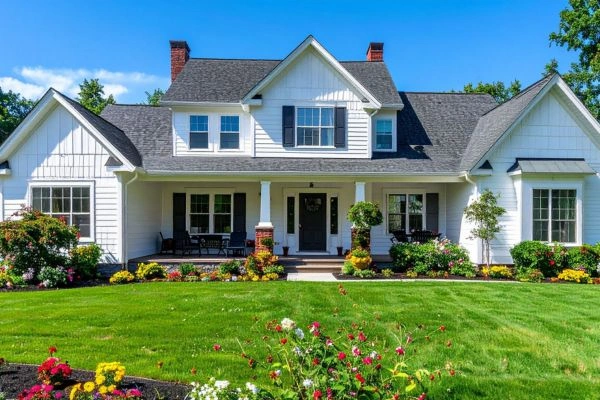
Popular brands include:
- Magnolia Home
- Pottery Barn
- Birch Lane
Key Elements:
- Rustic wood accents
- Neutral color palettes
- Vintage décor pieces
- Comfortable furniture
11. Mediterranean Revival
Mediterranean interiors draw inspiration from coastal homes in Spain, Italy, and Greece. The style features textured plaster walls, terracotta tiles, and warm, earthy tones. Terracotta materials are especially popular because they add warmth and timeless character to interiors.
Recommended brands and décor sources include:
- Serena & Lily
- Arhaus
Common Design Features:
- Arched doorways
- Terracotta flooring
- Textured walls
- Natural wood furniture
12. French Country
French country interiors combine elegance with rustic charm. Soft pastel colors, distressed furniture, and floral fabrics create a romantic and relaxed environment.
Brands that fit this aesthetic include:
- One Kings Lane
- Ballard Designs
Key Elements:
- Antique furniture
- Floral textiles
- Decorative moldings
- Soft color palettes
13. Coastal Contemporary
Coastal design focuses on relaxed living inspired by beach environments. Light colors, airy fabrics, and natural textures define the style.
Popular décor brands include:
- Serena & Lily
- Pottery Barn
Signature Elements:
- White and blue color palettes
- Rattan furniture
- Linen textiles
- Driftwood accents
14. Art Deco Revival
Art Deco interiors bring glamour and bold geometry into modern homes. The style includes rich materials such as velvet, brass, marble, and mirrored surfaces.
Brands often associated with Art Deco-inspired furniture include:
- Jonathan Adler
- Eichholtz
Signature Elements:
- Geometric patterns
- Metallic accents
- Luxurious fabrics
Bohemian Style
Bohemian interiors are artistic, colorful, and unconventional. Rooms often include patterned rugs, woven fabrics, and artisanal décor.
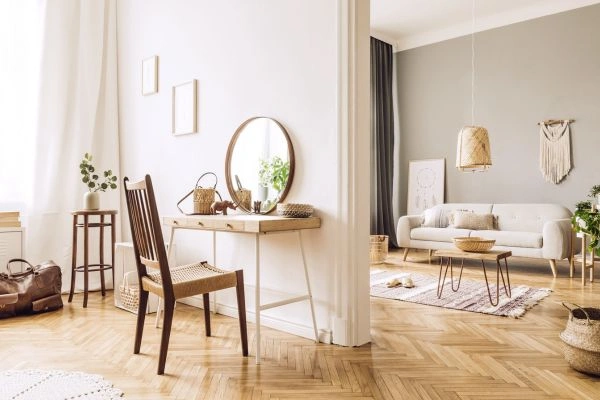
Key brands for boho interiors include:
- Urban Outfitters Home
- Anthropologie
Design Features:
- Global textiles
- Layered rugs
- Handmade décor
- Relaxed furniture arrangements
16. Traditional Classic
Traditional interiors draw inspiration from historical European design. Symmetrical layouts, elegant furniture, and decorative moldings create a timeless aesthetic.
Popular brands include:
- Ethan Allen
- Hooker Furniture
Key Characteristics:
- Rich wood furniture
- Classic upholstery
- Ornate details
17. Transitional Style
Transitional design blends traditional elegance with modern simplicity. The result is a balanced interior that feels timeless but fresh.
Key brands include:
- Pottery Barn
- Crate & Barrel
Typical Elements:
- Neutral color palettes
- Clean furniture lines
- Subtle decorative accents
18. Soft Modern
Soft modern interiors combine contemporary design with cozy textures. Curved furniture, neutral colors, and layered lighting create welcoming environments. This style reflects the shift toward warmer interiors that feel personal rather than stark.
Common features include:
- Rounded furniture shapes
- Neutral palettes
- Textured fabrics
Key Elements Include:
- Soft, layered lighting
- Minimal décor with warm accents
- Sculptural statement pieces
19. Sustainable Eco Design
Sustainability is becoming a core part of interior design. Homes increasingly use recycled materials, energy-efficient lighting, and eco-friendly furniture.
Popular brands focused on sustainability include:
- Avocado
- Sabai Design
- Medley
Key Design Elements:
- Reclaimed wood furniture
- Organic fabrics
- Eco-friendly paint and finishes
20. Quiet Luxury Interiors
Quiet luxury highlights understated style with high-quality materials. Instead of flashy décor, this style focuses on craftsmanship, high-quality materials, and subtle sophistication. Natural stone, rich wood, and premium textiles create a refined atmosphere without overwhelming the space.
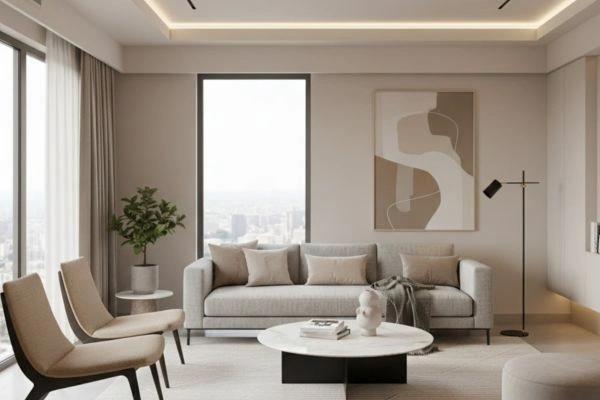
Brands associated with quiet luxury interiors include:
- Poltrona Frau
- Molteni & C
Key Characteristics:
- Neutral palettes
- High-quality materials
- Minimal yet refined décor
21. Smart And Wellness-Focused Interiors
Modern homes are increasingly designed with wellness and technology in mind. Features such as circadian lighting, air-purifying plants, and calming color palettes are becoming more common in residential design. These homes prioritize comfort, mental well-being, and convenience.
Popular brands and products include:
- Philips Hue smart lighting
- Dyson air purifiers
- Google Nest smart home devices
Key Elements:
- Smart lighting systems
- Wellness-focused layouts
- Minimal clutter
- Natural materials
The Future Of Interior Design Starts At Home
Interior design continues to evolve as lifestyles change and technology advances. Homes have become more than mere living spaces. They are spaces for relaxation, work, creativity, and connection. The most influential styles today reflect a growing desire for comfort, authenticity, and sustainability. Natural materials, warm color palettes, and personal touches are replacing sterile interiors. At the same time, technology and wellness are shaping how homes function.
Smart lighting, flexible layouts, and healthier materials are becoming standard features in modern interiors. Whether the goal is a minimalist Scandinavian apartment, a colorful maximalist living room, or a peaceful Japandi bedroom, today’s design styles offer endless ways to create spaces that feel beautiful and meaningful. The best interiors are not defined by trends alone. They reflect how people live, what they value, and the atmosphere they want to create every day.