


Creating a relaxing bedroom does not require demolition, construction, or budget‑breaking renovation projects. A calming, restorative bedroom can be achieved through thoughtful design decisions, small changes to existing elements, and strategic additions that enhance comfort, ambience, and style. A bedroom designed for relaxation not only promotes better sleep but also boosts overall well-being, mental clarity, and daily energy. This comprehensive guide explores how to transform any bedroom into a peaceful sanctuary using simple yet effective techniques, supported by the latest ideas and product suggestions.
Why A Relaxing Bedroom Matters
The bedroom should be a sanctuary, a place to unwind, sleep, and recharge. With the stresses of modern life, a poorly arranged or visually chaotic bedroom can negatively affect sleep quality, mood, and even productivity. A relaxing bedroom creates a sense of calm the moment one enters. Soft lighting, harmonious colors, comfortable bedding, and a soothing ambience all contribute to physical and emotional restfulness. Even without renovation, focusing on atmosphere, lighting, texture, and comfort can dramatically alter the space’s feel.

Establish A Calming Color Palette
Colors influence mood more than many people realize. Shades like muted blues, soft greens, warm neutrals, and pastels can lower heart rate and blood pressure, making it easier to relax and sleep. Walls painted in calming hues provide a serene backdrop, but even if repainting is not an option, introducing textiles, throws, and accents in soothing colors can shift the room’s overall tone. Soft earth tones, creamy whites, and gentle lavender all evoke peace and tranquillity. A cohesive color scheme also helps reduce visual clutter and creates visual harmony throughout the space.
Consider using monochromatic schemes or analogous colors to keep things visually gentle. Bold or bright colors tend to stimulate the brain and may make it harder to unwind, so quieter shades offer a better foundation for restful design.
Use Strategic Lighting To Set The Mood
Lighting plays a significant role in how a bedroom feels. Harsh overhead lights create a sterile, energetic environment that is not conducive to winding down. Layered lighting with multiple soft light sources adds depth, warmth, and control. Include bedside lamps, floor lamps near reading areas, and warm accent lights to create an inviting atmosphere. Warm‑colored bulbs with lower kelvin ratings (around 2700K to 3000K) mimic the gentle light at sunset and encourage the body to wind down naturally.
10.5″ H Nightstand Lamp 3‑Color Light Dimmable provides flexible lighting with adjustable warmth and brightness. Placing a lamp like this on a nightstand offers soft ambient light for relaxation right before bed.
Starry Sky Lover Starry Night LED Light brings a whimsical light feature that can cast gentle patterns across walls and ceilings, adding a dreamy feel to the space.
Smart lighting systems or bulbs also allow control via voice or app, making it easier to dim lights gradually as bedtime approaches. Thoughtful use of lighting transforms the room from a functional space into a relaxing retreat every evening.
Invest In Comfort With Better Bedding
A bedroom’s comfort starts with sleep surfaces. Investing in quality bedding upgrades can instantly improve how restful the room feels. Comfortable sheets, supportive pillows, layered blankets, and plush linens create a bed that invites rest. Soft fabrics like cotton, linen, or bamboo deliver breathability and comfort, helping maintain a comfortable body temperature throughout the night.
Consider items that add cushioning without replacing the mattress entirely. A highly rated mattress pad or topper can make a bed feel noticeably more luxurious. For example, products with thousands of positive reviews are often described as “sleeping on a cloud,” and can be an affordable way to boost comfort without replacing larger pieces.
Boho Comforter Set King ‑ 7 Pieces offers a complete bedding upgrade with soft layers, a coordinated design, and cozy comfort that enhances both look and feel.
SNOB Black Queen Set provides a stylish, high‑quality bedding set that delivers a sleek and comforting texture ideal for rest.
Choosing bedding that feels soft, clean, and inviting is one of the most effective ways to create a restful sleep space without any structural changes.
Add Supportive Pillows And Ergonomic Accessories
Pillows play a critical role in sleep comfort and neck alignment. A pillow that complements natural sleeping posture can ease tension and reduce discomfort. Supportive ergonomic pillows help maintain proper alignment, which is essential for restorative sleep. Bedding accessories, such as lumbar cushions or multifunctional body pillows, also enhance relaxation and comfort.
LONNGZHUAN Relax Cush Pillow, Ice Silk features a cooling cover with an ergonomic design and back support, making it especially helpful for reading or lounging before sleep.
Adding a variety of pillow types allows customization of comfort levels throughout the year. Use softer pillows for lounging and denser support pillows for nighttime neck and shoulder alignment.
Declutter And Organize For Mental Calm
Clutter creates visual noise and stress. Clearing surfaces, organizing belongings, and storing items out of sight all help reduce distractions and invite calm. Simple storage solutions like under‑bed boxes, baskets, or decorative bins improve flow and reduce mental clutter.
Keeping nightstands clear of unnecessary items and organizing clothes and accessories frees up energy for relaxation rather than creating anxiety or chaos. An orderly environment signals to the brain that the space is dedicated to rest, not tasks or stress.
Introduce Textiles And Natural Textures
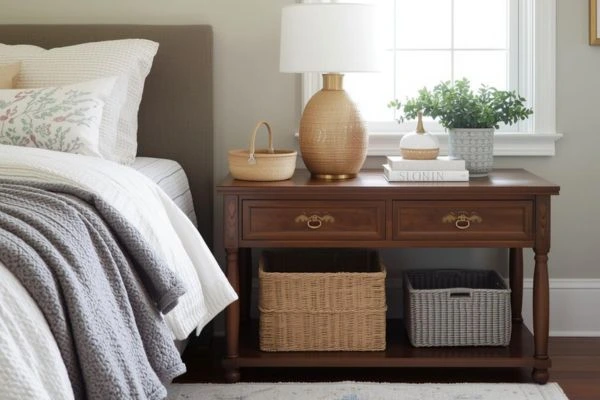
Textures create layers of warmth and comfort. Soft throws, knit blankets, rugs, and tactile cushions add a sense of coziness that the eye and body both respond to. A textured rug underfoot provides a warmer feel than a bare floor and sets a calm tone from the moment one steps into the room.
Natural materials like wool, cotton, linen, or wood connect the space to nature and add subtle organic energy. Incorporating these materials in pillows, wall art, small furniture pieces, or decorative accents heightens comfort without overwhelming the design.
Incorporate Calming Scents And Nature-Inspired Elements
Scent influences mood and relaxation. Using essential oils like lavender, chamomile, or sandalwood enhances the sense of calm and can become part of a pre‑sleep routine. Aroma diffusers or scented candles place gentle, soothing scents into the air and contribute to the overall ambience.
Integrating nature‑inspired elements, such as plants, botanical prints, or art depicting natural scenes, further reinforces a tranquil feel. Indoor plants not only bring life and color but also help purify the air, creating a healthier bedroom environment.
Create A Dedicated Wind‑Down Zone
A bedroom that accommodates more than just sleeping feels complete. Consider adding a small seating area or a reading nook away from the bed, where relaxation begins even before lying down. A cozy chair with a soft throw and a low light source can become a personal wind‑down spot that signals rest is near.
This area can also be used for quiet activities like journaling, stretching, or listening to calming music before bed. Keeping these spaces comfortable and visually separated from work or clutter helps the brain associate the room with rest rather than activity.
Optimize Temperature And Air Quality
Ambient room temperature greatly affects sleep quality. A bedroom that is too warm or too cold can interrupt the body’s natural cooling process, making it harder to fall asleep. Experts recommend keeping bedrooms cool and well‑ventilated for optimal rest. A clean air filter or air purifier, humidifier, or opening a window when weather permits can improve air quality, which contributes to deeper sleep.
Avoiding heavy curtains during the day and opening windows allows natural airflow to circulate, refreshing the space and improving overall comfort.
Keep Technology To A Minimum
Electronic devices emit light and stimulation that disrupt sleep rhythms. Keeping phones, tablets, and screens out of the bedroom—or using settings like night mode or blue‑light filters—reduces stimulation before bed. Smart alarm clocks with soft-wake features or sleep‑friendly devices designed for calming routines offer alternatives without introducing disruptive screens into the space.
Small Color And Art Touches To Enhance Visual Calm
Art and wall decor should invite calm rather than stir emotion or distraction. Choose serene landscape images, abstract works with soft lines, or minimalist prints that promote relaxation. A gallery wall of meaningful yet understated pieces adds personality while maintaining tranquillity.
Neutral wood frames, muted tones, and simple compositions create cohesion in design. Avoid overly bright or complex artwork that can overstimulate before sleep.
Add Soft Rugs For Warmth And Comfort
Soft rugs offer tactile comfort and warmth. Placing rugs beneath or beside the bed creates a welcoming feeling from the moment feet touch the floor. Bedroom rugs also add visual texture and help absorb sound, reducing noise and enhancing the sense of peace.

Daily Habits That Reinforce A Relaxing Bedroom
Consistency in routines builds relaxation. Practices like making the bed each morning, keeping surfaces tidy, and using lighting techniques that shift from bright daytime light to warmer evening tones support the body’s sleep cycle. Small habits such as airing the bed linens during the day or adopting a soothing playlist at night further reinforce a calm environment.
Creating A Serene Bedroom Without Renovation
Transforming a bedroom into a relaxing haven without renovation is not only possible but deeply rewarding. Thoughtful choices in color, lighting, textiles, scent, and organization drastically affect how the space feels. A relaxing bedroom boosts rest, reduces stress, and elevates the quality of life. The secret lies not in drastic changes but in intentional details that promote calm, comfort, and serenity. With careful planning and the right accent pieces, any bedroom can become a restful retreat that supports restorative sleep and peaceful living.