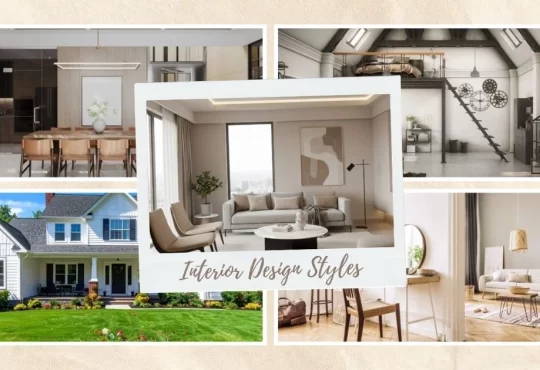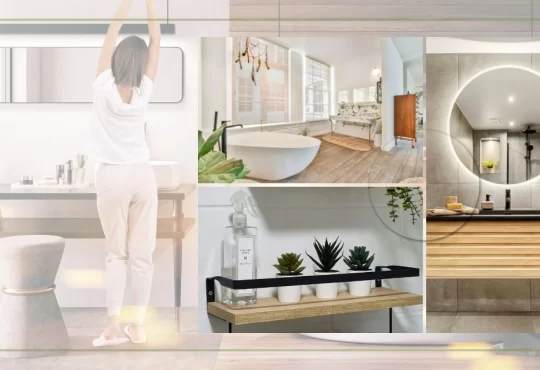


Interior design keeps changing as people look for styles that feel both timeless and fresh. Modern traditional interior design is one of the clearest examples of this shift. It blends the classic charm of tradition with the simplicity and comfort of modern design. This means combining rich heritage pieces with clean, contemporary forms to create spaces that feel inviting and balanced rather than old‑fashioned or stark.
Designers and homeowners are moving away from spaces that feel too perfect or cold. Instead, interiors now focus on warmth, texture, and personality. Natural wood finishes, layered lighting, and meaningful decor are central themes. Trends across homes today point toward interiors that feel personal, comfortable, and well‑edited while honoring craftsmanship and history.
Modern traditional interior design fits perfectly into this evolving mindset. It honors classic elements like wood paneling and antique furniture while also embracing modern comfort, lighting, and color choices that keep the overall look from feeling dated.
What Modern Traditional Interior Design Means
Modern traditional interior design takes elements from classic interior styles and updates them with contemporary features. Rather than choosing either modern or traditional outright, this approach finds harmony between the two. The result feels neither overly formal nor too casual. It feels well‑balanced and layered, often with thoughtful attention to detail.
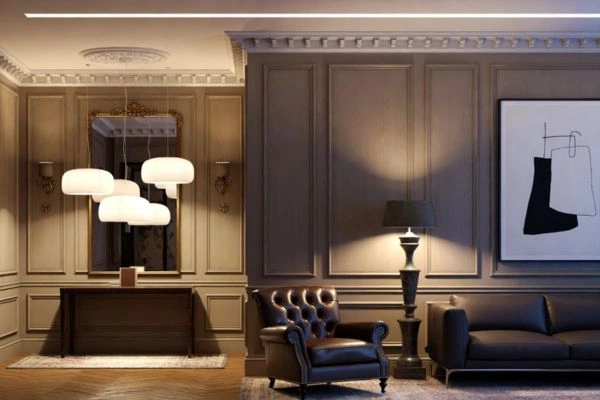
This style draws on heritage influences such as raised paneling, rich wood finishes, sculptural shapes, and antique accents. Still, it pairs them with modern lighting, minimalist furniture silhouettes, and fresher color palettes. These blended spaces appear intentional rather than decorated, welcoming rather than distant.
The key to success with modern traditional design is balance. Too much old-world ornament can make a space feel heavy. Too many modern elements can make it feel plain. When these design parts sit side by side in harmony, the result feels classic yet relevant.
Core Principles Of Modern Traditional Interiors
A few key design principles guide modern traditional interior design. These elements help distinguish it from purely traditional or purely modern spaces.
Harmonizing Classic and Modern Elements
The most defining principle is balance. Classic architectural details or furniture are set alongside modern pieces. Traditional antiques might sit near refined contemporary coffee tables or sculptural lighting fixtures. This contrast brings depth and makes both elements stand out.
Neutral And Soothing Color Palettes
Modern traditional interiors often rely on neutral backgrounds such as warm beiges, taupe, creams, and soft greys. These hues create a calm backdrop that allows richer materials and classic details to shine without overwhelming the senses.
Rich Materials With Texture And Warmth
High‑quality materials are important in this style. Natural wood, textured plaster walls, stone, and fabrics like velvet and linen add tactile richness. These materials feel grounded and age well over time while adding warmth and visual interest.
Thoughtful Layered Lighting
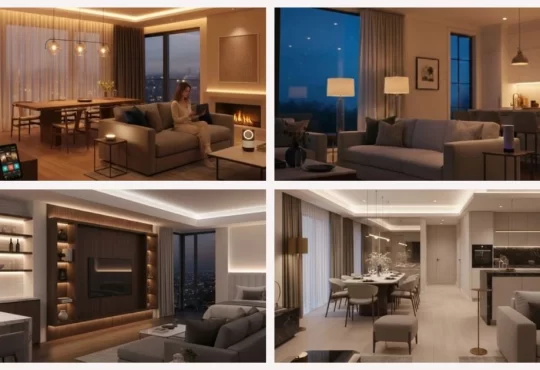
Instead of a single overhead fixture, modern traditional spaces use layered lighting to add dimension and mood. Wall sconces, table lamps, and track or recessed lighting help create ambiance while highlighting key design features.
Personal And Meaningful Accent Pieces
Decor in modern traditional interiors is intentionally curated instead of randomly placed. Pieces often have personal or historical meaning, such as a vintage ceramic vase, an heirloom mirror, or sculptural objets that reflect personal stories and tastes.
Timeless Architectural Details That Bring Depth
One of the strongest aspects of modern traditional design is how architectural details add character without feeling old‑fashioned.
Wood Paneled Walls
Wood paneling is making a strong comeback in interiors. Once seen as a relic of mid‑century design, wood‑paneled walls are now embraced for adding architectural depth and warmth. Designers use paneling in modern proportions to avoid a dated look. Vertical or custom paneling can also provide subtle texture and shadow, enhancing a room’s visual richness.
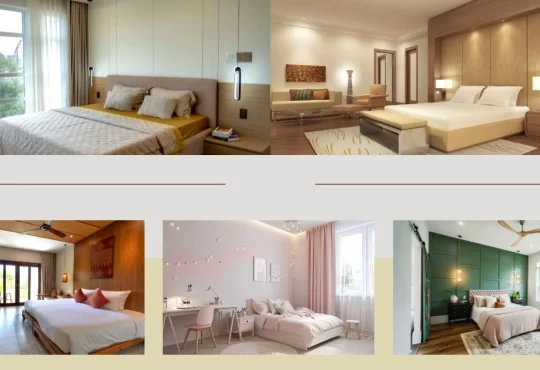
Paneling works well in living rooms, dining rooms, and even bedrooms. When paired with modern furniture, it feels both rich and relaxed.
Elevated Millwork And Door Casings
Elevated trim, classic door casings, and elegant baseboards are common in modern traditional design. These details speak to craftsmanship and history while giving spaces visual weight and refinement. When finished in soft contemporary colors like greige or creamy white, these details feel intentional rather than overly formal.
Statement Ceilings
Ceilings have become a focal point in design. In modern traditional homes, ceilings can feature subtle plasterwork, soft beams, or even decorative paint to add interest overhead. This approach brings cohesion to spaces that might otherwise feel flat or unfinished.
Furniture And Decor: Fusing Classic And Contemporary
Blending furniture from different eras is one of the most satisfying parts of modern traditional design. The key is to make each piece feel like it belongs in the space rather than looking like it was bought at random.
Classic Furniture With Modern Lines
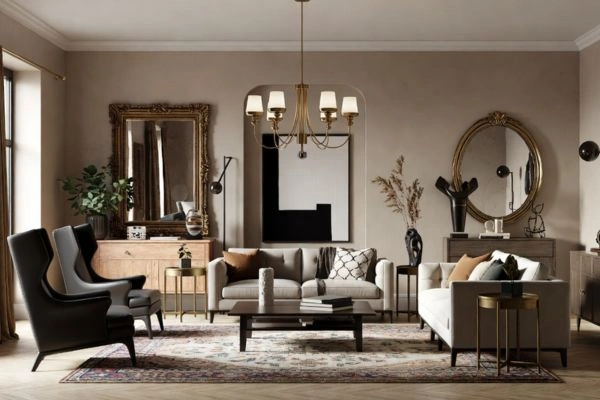
Traditional furniture pieces such as wingback chairs, tufted sofas, or carved wood tables can feel fresh when paired with simpler shapes and modern upholstery choices. This keeps the space from feeling overly ornate. Clean line sofas next to a classic armchair, for example, provide balance without visual conflict.
Antique Or Vintage Accents
Antique mirrors, vintage lighting, and heirloom decor bring character and history. These pieces tell a story and give modern traditional interiors a lived‑in feel rather than a showroom look. Vintage rugs, carved cabinets, or even classic patterned wallpapers can add depth when blended thoughtfully with contemporary elements.
Contemporary Sculptural Pieces
To keep spaces grounded in the present, sculptural lighting, modern art, and contemporary coffee tables are often added. These elements contribute to refined contrast, so the room feels curated and intentional rather than stuck in one time period.
Color Palettes for Balanced Design
Modern traditional interiors often rely on color palettes that feel both calm and layered. Neutral tones like ivory, greige, taupe, and warm beige remain central. These backgrounds allow furniture, woodwork, and decor to stand out without overwhelming the senses.
Warm Neutrals With Depth
Warmer neutrals offer a grounded feel compared to stark whites or cool greys. They pair naturally with wood tones, stone finishes, and textured textiles to create a relaxed, cohesive look.
Accent Colors That Enhance
Deep hues such as forest green, navy, or charcoal work effectively as accent colors in modern traditional spaces. These richer tones add drama while still feeling timeless and elegant. When used in smaller doses — for example, on cabinetry, upholstery, or trim — they enhance the overall design without overpowering it.
Flooring And Textiles That Mix Comfort And Sophistication
Flooring and textiles are an integral part of modern traditional design because they ground a space and add both comfort and texture.
Natural Stone Or Wood Floors
Natural wood floors, whether classic oak or richer walnut, are a staple. They add warmth and age beautifully over time. Stone floors can also work, especially in entryways, kitchens, or bathrooms, providing elegant durability.
Stacked and Layered Rugs
Rugs help anchor furniture groupings and add softness underfoot. Traditional oriental or Persian rugs bring pattern and heritage, while hand‑woven, modern rugs provide texture and ease. Combining antique and contemporary rugs can add visual interest without clutter.
Textiles With Intent
Curtains, upholstered furniture, and throw pillows in linen, velvet, or wool add warmth and tactility. Classic patterns like subtle stripes or floral motifs can be updated with contemporary colorways for harmony.
Lighting That Enhances Mood
Layered lighting is critical in modern traditional interiors because it helps define zones, enhance architectural details, and create ambiance.
Traditional Chandeliers With Modern Touches
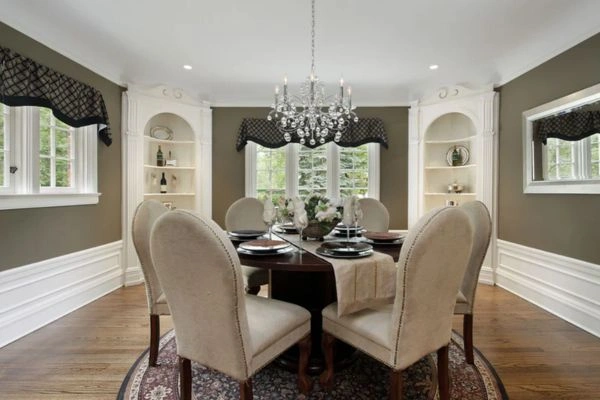
Classic chandeliers that have been updated with simpler details or modern finishes can act as focal points in dining rooms or entryways. These pieces combine old-world craft with current aesthetics.
Wall and Task Lighting
Wall sconces on either side of a mantel or bed add symmetry and warmth. Modern task lighting in seating areas or workspaces provides functionality while maintaining a traditional aesthetic.
Key Brands And Products For Modern Traditional Interiors
Here are some top brands and products that help achieve a modern traditional look by blending quality, craftsmanship, and refined aesthetics:
Essential Furniture and Lighting
- Roche Bobois — Known for blending luxury with contemporary forms.
- Baker Furniture — Classic pieces with timeless appeal.
- Ethan Allen — Rich wood furniture that pairs well with modern textiles.
- Hubbardton Forge — Handcrafted lighting that feels both historic and current.
- Visual Comfort & Co. — Stylish fixtures that pair with wood paneling and classic moldings.
Textiles And Rugs
- Nanimarquina — Hand‑woven, contemporary, and traditional rug designs.
- The Citizenry — Natural fiber textiles with timeless appeal.
- Surya Rugs — Classic designs modernized with updated color palettes.
These brands help bring quality materials and thoughtful design into modern traditional homes.
How To Design A Modern Traditional Room
Creating a modern traditional space can feel overwhelming at first. Here are practical steps that help achieve balance:
Start With Architecture
If possible, add architectural elements such as wood paneling, classic moldings, or raised trim. These set the stage for the rest of the design without competing with furniture.
Choose A Calming Color Palette
Start with a neutral base and layer from there. Warm greiges and taupes work well with wood tones and textiles to create cohesion.
Create Layers in Your Design
Layer rugs, lighting, and fabrics for depth and texture. Use a mix of materials such as wood, stone, and metal to create depth and character.
Curate Furniture Mix
Select one or two classic pieces and pair them with contemporary seating or tables. Think about proportion and how each piece interacts with the space rather than matching sets.
Add Personal Pieces
Include art, heirlooms, or travel finds that reflect personality and history. These items make the design feel collected, not staged.
Why Modern Traditional Design Matters Today
People are no longer interested in interiors that feel sterile or one‑dimensional. Today’s homes are expected to support daily life, personal tastes, and long‑lasting comfort. Modern traditional interior design responds to this need by creating spaces that feel lived‑in and intentional. Modern traditional interiors are comfortable yet refined, layered yet calm, and rich with history yet relevant to modern living. They work in homes that span centuries of architecture and appeal to people who want spaces that reflect who they are rather than what is trendy. This design style proves that the best interiors are those that balance function with beauty, heritage with innovation, and memory with contemporary living.