

Good lighting changes everything about a home. It affects how colours appear, how furniture is perceived, and how guests feel the moment they step inside. Even the most stylish décor can fall flat under poor lighting, while a simple space can feel refined and luxurious when the lighting is done right. The right setup creates warmth, depth, and balance, making rooms look thoughtfully designed rather than merely functional.
With recent advances in smart lighting and modern interior design trends, achieving an upscale look no longer requires major renovations or costly fixtures. Strategic choices, smart controls, and careful placement can dramatically elevate a home’s appearance. This guide breaks down expert-backed smart lighting tips that instantly make any home look more expensive while remaining practical and easy to implement.
Understand The Role Of Lighting In Design
Lighting is one of the most influential elements in interior design. Unlike furniture or wall colour, lighting shapes how an entire space is experienced. It defines mood, highlights textures, and influences how large or intimate a room feels. Well-planned lighting softens harsh shadows, draws attention to architectural details, and creates visual harmony.
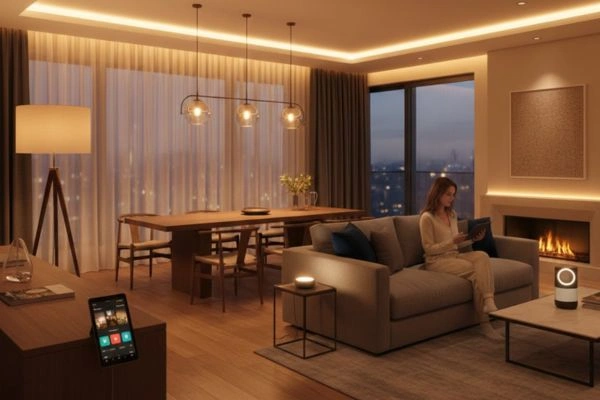
Design professionals consistently emphasize the importance of combining ambient, task, and accent lighting. This layered approach creates balance and depth, which are hallmarks of high-end interiors. A single overhead light rarely achieves this effect on its own. Instead, thoughtful lighting design makes a space feel intentional and curated.
Smart lighting systems enhance this process even further. They do more than turn lights on and off. These systems allow control over brightness, colour temperature, and timing throughout the day. Many setups can adjust automatically based on routines or natural light levels, ensuring rooms always look polished without constant manual adjustments.
Layer Lighting For Richness And Depth
Layering lighting is one of the simplest ways to make a home feel expensive. Rather than relying on a single ceiling fixture, layering introduces multiple light sources at different heights and intensities. This creates dimension and prevents spaces from feeling flat or overly bright.
Start with a main fixture that anchors the room visually. This could be a pendant light, chandelier, or flush mount that complements the room’s style. From there, add supporting lights such as table lamps, floor lamps, or wall sconces. These secondary sources fill in shadows and add warmth, making the space feel inviting rather than harsh.
In living rooms, especially, layered lighting creates a relaxed, high-end atmosphere. It allows flexibility for different moments, from entertaining guests to winding down in the evening. When lighting feels layered and intentional, it signals careful design rather than convenience.
Ambient Lighting
Ambient lighting forms the foundation of any room’s lighting plan. It offers overall illumination while establishing the room’s mood. Soft, warm ambient light tends to look far more refined than bright, cool light, which can feel clinical in residential settings.
Warm LED bulbs with a gentle glow create a cozy, welcoming feel that mirrors what is seen in upscale homes and boutique hotels. Cool white lighting may be suitable for garages or utility spaces, but in living areas, it often flattens colours and creates unflattering shadows. Choosing the right ambient light immediately elevates the room’s appearance.
Task Lighting
Task lighting focuses on functionality, but it also contributes to the overall design when done well. Reading lamps beside sofas, pendant lights over kitchen islands, and under-cabinet lighting in kitchens all serve specific purposes while adding visual interest.
In kitchens, under-cabinet lighting is especially effective. It highlights countertops, enhances materials like stone or wood, and reduces harsh shadows. This small upgrade instantly makes the space feel more refined and professionally designed. Task lighting that blends function with style is a key feature of expensive interiors.
Accent Lighting
Accent lighting adds personality and visual drama to a space. This type of lighting highlights artwork, architectural details, shelving, or textured walls. By directing light toward specific features, accent lighting creates contrast and depth that draws the eye.
Wall washers and small spotlights can transform plain surfaces into focal points. Textured walls, decorative niches, or statement artwork appear more intentional when properly lit. Accent lighting adds visual layers that make a home feel custom rather than generic.
Use Warm Light For Comfortable, Luxurious Interiors
Warm light plays a major role in creating a luxurious atmosphere. Blue-toned lighting may be efficient, but it rarely flatters living spaces. Warm light mimics the glow of candlelight or sunset, which feels soothing and inviting.
For most living areas, bedrooms, and dining rooms, warm white light in the range of 2700K to 3000K works best. This temperature enhances natural materials, softens shadows, and makes colours appear richer. Furniture, textiles, and décor look more appealing under warm light, contributing to a polished overall aesthetic.
Simply switching to warmer bulbs can dramatically improve the feel of a room. It is one of the easiest and most affordable ways to make a home look more expensive without changing anything else.
Install Dimmable Lighting For Control And Mood
Dimmable lighting is a common feature in upscale homes for a reason. The ability to control brightness allows a space to adapt to different activities and moods throughout the day. Soft lighting creates intimacy in the evening, while brighter settings support productivity and cleaning.
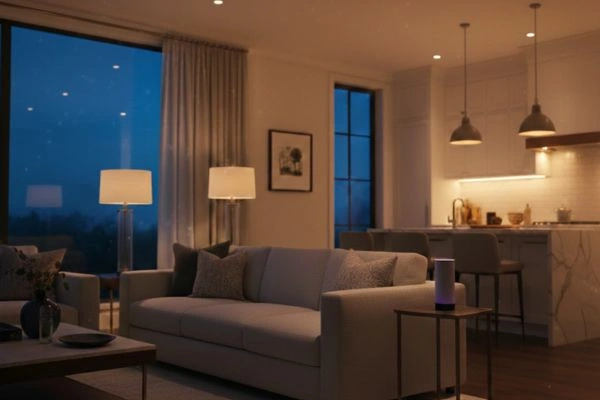
Smart dimmers add convenience by allowing adjustments through an app, remote, or voice control. Many systems also offer preset scenes, so a single tap can shift the entire room from bright and functional to calm and relaxed. This level of control makes lighting feel deliberate and tailored rather than static.
Scheduled dimming is another subtle luxury. Lights that gradually brighten in the morning or soften in the evening create a smooth, natural rhythm that enhances comfort and visual appeal.
Choose Statement Lighting Fixtures
A statement light fixture can function as a piece of art. Oversized pendants, sculptural floor lamps, or unique chandeliers add personality and sophistication to a space. These fixtures draw attention upward, creating visual interest and balance within the room.
Entryways and living rooms are ideal places for statement lighting. A striking fixture in these areas creates a strong first impression and sets the tone for the rest of the home. It signals that design choices were made thoughtfully, not randomly.
Even in smaller spaces, a bold light can elevate the entire room. When paired with smart controls and layered lighting, statement fixtures feel purposeful rather than overpowering.
Highlight Architectural Features With Smart Light Placement
Proper lighting placement is as critical as fixture selection. Strategic positioning can enhance architectural features and make spaces feel custom-designed. Placing lights close to textured walls creates shadows that reveal depth and detail, adding visual richness.
In hallways, accent lighting can guide the eye and make narrow spaces feel more intentional. Wall-washing techniques distribute light evenly across surfaces, highlighting finishes and materials that might otherwise go unnoticed.
Thoughtful placement turns ordinary elements into design features. It adds drama without clutter and contributes to a high-end look.
Integrate Smart Lighting For Seamless Control
Smart lighting systems have evolved into intuitive tools that simplify everyday living. Modern systems integrate with smart home platforms and voice assistants, allowing seamless control across rooms. Lights can be adjusted remotely, scheduled automatically, or grouped into scenes that match daily routines.
Adaptive lighting is becoming increasingly popular. These systems adjust brightness and warmth based on the time of day, mimicking natural light patterns. The result is a space that feels balanced and comfortable at all hours.
Beyond convenience, smart lighting enhances the overall experience of a home. When lighting responds effortlessly to needs, it creates a sense of ease that feels luxurious.
Conceal Fixtures For A Cleaner, High-End Look
Hidden lighting is a signature feature of upscale interiors. Recessed fixtures and concealed LED strips provide soft illumination without visible hardware. This creates a clean, modern look that feels intentional and refined.
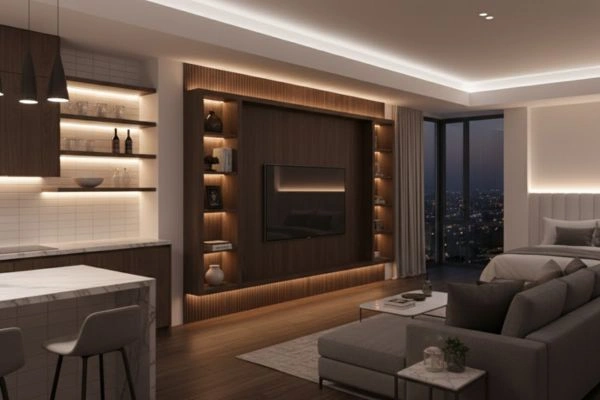
LED strips tucked under cabinets, inside coves, or behind moldings add a subtle glow without drawing attention to the light source itself. Backlighting behind headboards, shelves, or media walls adds depth and dimension while keeping the focus on the design.
These subtle lighting techniques contribute to a layered look that feels sophisticated rather than overdone.
Use Colour Thoughtfully
Smart lighting opens the door to controlled use of colour. While bright colours can feel overwhelming, subtle hues used sparingly add atmosphere and personality. Soft amber tones in the evening create warmth, while gentle blues or greens in bedrooms encourage relaxation.
Colour can also be used to highlight architectural elements or decorative features. When integrated thoughtfully, coloured lighting becomes part of the overall design story rather than a novelty.
Restraint is key. The most expensive interiors use colour with intention, not excess.
Mix Materials And Finishes For Visual Appeal
The materials and finishes of lighting fixtures influence how expensive they appear. Brushed brass, matte black, and polished chrome add visual weight and sophistication. When lighting finishes complement hardware, furniture, and décor, the entire space feels cohesive.
Organic materials like rattan, wood, or bamboo can also look high-end when paired with warm light and clean lines. These materials add texture and warmth, balancing modern elements with natural charm.
Consistency across finishes helps tie rooms together and reinforces a curated aesthetic.
Balance Practicality And Style
Beautiful lighting must still be functional. A well-designed home balances style with everyday usability. Task lighting in kitchens, reading lights in bedrooms, and proper illumination in workspaces ensure comfort without sacrificing aesthetics.
When lighting supports daily life seamlessly, it feels intentional rather than decorative. This balance prevents spaces from feeling staged or impractical.
Keep Lighting Consistent Throughout The Home
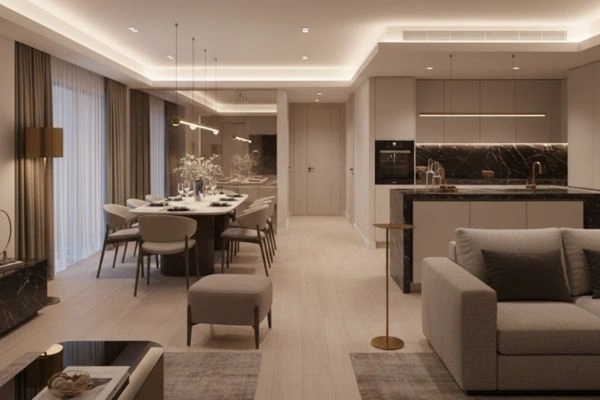
Consistency is a hallmark of expensive interiors. Using similar light temperatures, fixture styles, and control systems throughout the home creates visual harmony. Rooms flow naturally into one another instead of feeling disconnected.
Maintaining warm tones across living spaces or repeating finishes in connected rooms strengthens the overall design. Even small details, like matching bulb temperatures, can make a noticeable difference.
Upgrade With Smart Switches And Dimmers
Smart switches and dimmers offer a practical alternative to smart bulbs. They allow existing fixtures to remain functional while adding automation and control. This approach works especially well in homes with decorative fixtures or traditional lamps.
Smart switches also provide a smoother experience for guests. Lights operate like normal switches while still offering advanced features behind the scenes. This subtle upgrade enhances convenience without drawing attention to technology.
Lighting That Brings Every Space To Life
Lighting influences how every space in a home is experienced. It affects mood, highlights textures, and defines atmosphere. With layered lighting, warm tones, smart controls, and thoughtful placement, homes can feel more refined without extensive renovations.
Evaluating current lighting is a powerful first step. Identifying harsh shadows, uneven brightness, or mismatched tones reveals opportunities for improvement. Small changes such as adding dimmers, switching bulb temperatures, or introducing accent lighting can deliver dramatic results.
Whether updating a single room or planning a full lighting refresh, smart lighting choices create spaces that feel polished, welcoming, and intentionally designed. Lighting does more than illuminate. It elevates the entire home.